
Only by convincing the electorate that Labour is a credible alternative government can we tackle the inequities of Britain’s social security system, argues Progress strategy board member Sheila Gilmore
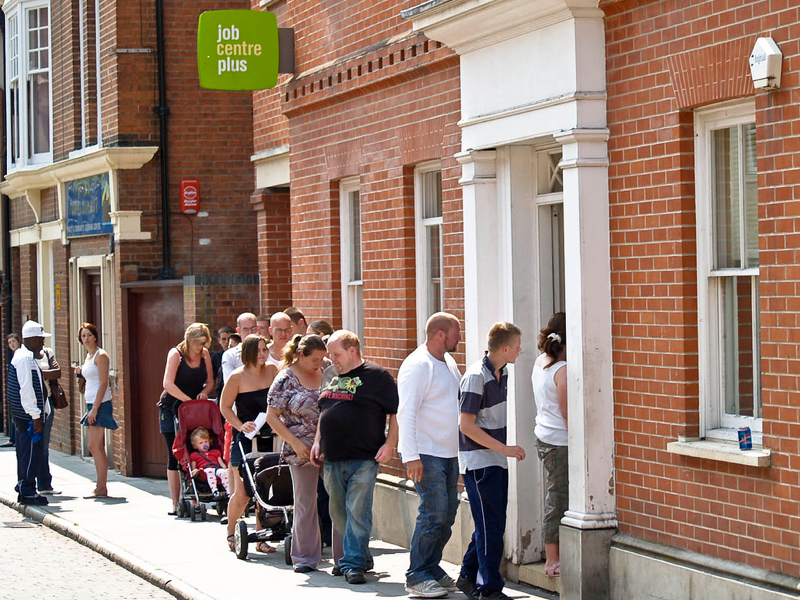
I have a confession to make. I have not seen ‘ I, Daniel Blake’. I am sure it is a powerful film, but I do not need to be convinced. As a member of parliament between 2010 and 2015, and since then as a Citizens Advice Bureau adviser, I have seen many Daniel Blakes. On Twitter there is much angry talk and, inevitably, a hashtag, #WeAreAllDanielBlake. But in fact, most British people are not ‘all Daniel Blakes’ and the vast majority have no personal or family experience of this kind of situation. They need persuaded, and if the film gets enough viewings that will help. One of the big strengths of ‘Cathy Come Home’ was that, through television, it had a huge emotional impact on people who had no personal or family experience of homelessness. It helped change the public mood and secure a change in the law. A change that ultimately needed a Labour government to put in place.
How many more Daniel Blakes will there be if the Tories remain in power till 2025 or even longer?
It is not enough to rail against the terrible Tory policies. We need to develop practical policies that we can implement quickly that would make a real difference to those currently at the sharpest end of Tory policies. These can also be the policies that we campaign on from opposition.
Daniel Blake is one of many partly because of a relatively unknown change. Under the Labour government men of 60 or over had the option to move onto pension credit if they had limited income and assets. The big advantage was that they no longer had to go through the repeated ‘assessments’ if trying to claim employment and support wllowance, or the treadmill of endless job applications and ‘training’ if on job seekers allowance. However, the age of eligibility for pension credit has been rising in line with the increase in women’s pension age, closing off this option. Women previously would have been able to receive their state retirement pension at 60. Realistically, how many people in this age group are easily going to find new work, especially if they are also suffering from ill health? So they are often going through a jobseeking charade, accompanied by the fear of losing benefit if they cannott comply with the conditions.
Many will still want to work if they can. But as one friend described it to me, ‘it was like having a weight lifted ‘ to be able to move onto pension credit. He has been able to do valuable voluntary work, and his mental health has been much improved with all the anxiety and stress lifted.
Here is just one example – a woman suddenly widowed at 60, not having worked for years, and struggling with serious depression. The endless questioning about how many jobs she has applied for, and pressure to do ‘courses’ is not helping. Her best hope is to apply for the benefit (ESA) for people unfit to work, but as we know that creates its own stress and pressure
I had the privilege to serve on a pensions bill committee with the late Malcolm Wicks MP. He argued that there should be a much more flexible approach to retirement. His proposal was to look at the years of work and contributions, and for example that those who had worked from the age of 15 or 16 and had paid their contributions for well over the prescribed minimum for full pension should be able to get their state pension if their heath made work difficult.
The cost in social security payments to those in their 60s and unfit to work is considerable. So why not provide an alternative in the form, either of early access to the state pension, or a form of ‘pre-retirement ‘pension’ credit’?
The eagle eyed will point out that in the film Daniel Blake is 59., and that other factors (for example, the ‘test’ applied to determine fitness for work, the harsh sanctions regime) contributed to his situation. True – but how different it might have been had he seen some light at the end of his tunnel, just a few months ahead .
This is just one example of a relatively quick change we could make in government. There are many others for which there is no space here.
Some battles can be won from opposition. The U-turn on tax credit changes is often cited. But when universal credit is more widely rolled out, the changes that were withdrawn come back in. The government has shown no bending on the £30 per week reduction in ESA payments which will affect many claimants from April.
We need to convince voters not just of the iniquity of the current government’s social security policies, but also persuade them that we are a convincing alternative government. In the 2010 -2015 period there were some ‘welfare reform’ issues where we managed to break through to the wider public. The bedroom tax was one of these. People could see how unfair it was, But the ‘hated bedroom tax’ is still there ; people are still losing money because of it. Even some mitigation won through court action for some people with disabilities, has not been fully implemented by the government.
If we are serious about ensuring that there are no more Daniel Blakes we need to put getting a Labour government at the centre of our work.
———————————
Sheila Gilmore is a member of the Progress strategy board. She tweets @SheilaGilmore49
———————————