
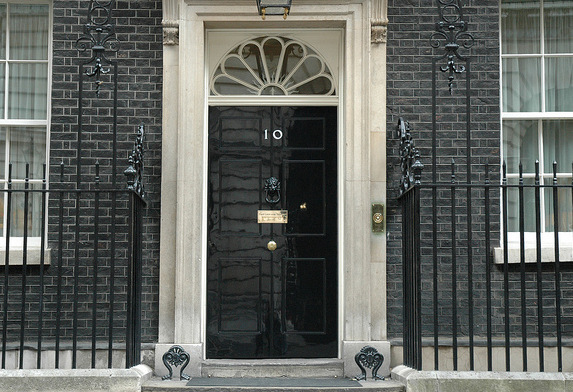
I always tried not to indulge in reshuffle speculation when in parliament, but essentially all those ministers who pompously announce that they are ‘just getting on with the day job’ and not thinking about the whiteboard and post-it notes in the corner of an office in No 10 are big fibbers. I even used to light a candle as the reshuffle got under way for luck against being sacked (or, even worse, being made the minister for fishing).
So what should we make of the reshuffle apparently coming up this week? First, all the pre-briefing at the weekend about ‘getting rid of old lags’ and promoting more women will definitely backfire. Is there any evidence that a reshuffle has ever improved the political prospects of a government – or an opposition? It might give some lobby hacks and those of us who are interested in the minutiae of government a few days’ distraction from NHS pressures, welfare reform bungling and an unbalanced economic policy but it is of supreme unimportance to most voters. In fact, a focus by professional politicians on their next job is sure to irritate those in the rest of the country worrying about the pay, hours and conditions of their current one.
Furthermore, while I would very much welcome more women in the cabinet, when you start with only three, it is hardly going to be the feminist revolution to get a couple more in there. And sending one of the ‘old lags’ to replace the effective and diligent Cathy Ashton in Europe is far from sending out the message of a diverse and modern Britain.
Of course, some ministerial changes can improve the prospects in particular departments. As secretary of state for health, Jeremy Hunt has been effective in distancing the government from its own bungled reforms, posing as the patients’ champion rather than a system leader and keeping the NHS low key as an issue.
And there is no doubt that removing Iain Duncan Smith from the Department for Work and Pensions would enable someone new to get a grip on the delivery of universal credit and to rebuild some of the relationships soured by his insistence that the failure to deliver his keynote policy is nothing to do with him.
It is also worth reflecting on the pretty dysfunctional way that all ministers are chosen and launched into their new jobs. Remember, there is no application process, little analysis of the particular skills and experience of those in the frame and when you get your new job, you start it immediately and are expected to be up to speed with the major issues and to have thought through your own personal objectives in the time it takes to walk back down Downing Street, ring your family with the good news and get to your new department to be greeted by the permanent secretary at the door.
The advantage of opposition is that our shadow cabinet can work through the background, the contacts and the policy priorities that they would implement as ministers with time for reflection and building wider networks. I hope Ed is thinking about this in his final shadow cabinet positions. It would be a real lost opportunity for people to be placed into different government jobs from those they are shadowing in the run-up to next May. We need to hit the ground fresh, but with a plan to be delivered in each department.
So in this week of reshuffles, we can spare a few seconds to gossip about the characters being shifted around the cabinet table, but no more. The real job of politics in the next 10 months is the honing of our message, the energy of our campaigning and the preparation for the only ‘reshuffle’ which really matters – when Labour ministers take over the reins of government again.
———————————
Jacqui Smith is a former home secretary, writes the Monday Politics column for Progress, and tweets @smithjj62
———————————
I partly agree putting more women in just accommodate opinion of the minority is something of supreme unimportance to most.
Even trotting out the ‘wonderful’ @GloriaDePieroMP in a pathetic attempt to deploy the sexism flag can’t even swing it, when the party employed a white American male to run its campaigning and completely defeated its own nonsense of AWS by selecting a white male to stand in Newark…