
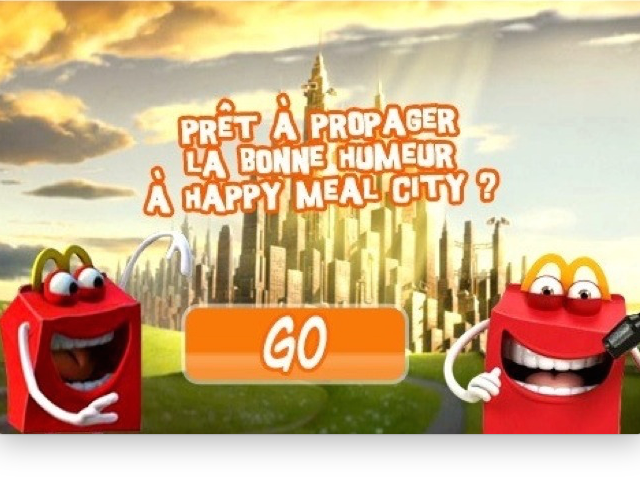
Advertising junk food and drink directed at children will continue online without any hindrance.
It is hard to believe. The Committee for Advertising Practice has come to the decision that more research is required before restrictions are placed in the advertising code to protect children from being targeted with unhealthy food online.
It is very surprising that in 2015 that there is still debate as to why advertising of fatty and sugary food to children is harmful.
But, for the benefit of the advertising industry and CAP, there are two reasons:
- Food with high fat and sugar content is bad for health.
This is especially true in children who are even more vulnerable than adults to the adverse influence of what they eat and drink. In addition, it is at this stage of life where habits are formed, habits which continue into adult life, unhealthy habits early in life will continue to unhealthy lifestyles in later life.
- Advertising targeted at children works. If it did not the industry would not spend as much money as it does.
So advertising directly to children online will continue unregulated.
This includes the use of ‘advergames’. These games are designed to be interactive advertisements, specifically designed to encourage children to interact and play with the advertisement.
We have even more reason to be concerned about the interactive future of advertising to children. Interaction is two-way and these advergames have the potential to collect and use a wide spectrum of data, enabling the programmes to refine and better target their audience. In this case, our children.
It is impossible to imagine how this would not form an association between fun and enjoyment with a product. That is because this is entirely why large food companies spend money developing and placing these games.
There is also a deeper concern. If we do not put a halt to the deterioration in the health of our children it will have significant effects on the economy in the near future.
The National Health Service is facing fundamental questions over how it will be funded in the future. The only way to protect the ‘free at the point of delivery’ is to reduce preventable chronic disease such as obesity and diabetes which currently costs the NHS over £9bn every year.
The diseases associated with junk food and drink are also distributed unevenly across society. This not just a protection issue but an equality one as well. Different socioeconomic and ethnic groups have different risk profiles.
What is shocking to parents and the public is this sort of advertising was banned on television in 2007. So what is different about online advertising?
The CAP rules could not be more out of date, while the food giants are innovating to get around current legislation.
We led the world with the first restrictions on targeted junk food advertising on television. Now we must lead the way online as well.
This is a classic case of the failure of self-regulation. In the past I have discussed public health interventions in the context nudge, shove or push. This is one area where the industry cannot be trusted to respond to a nudge or a shove, so maybe they need to be pushed?
———————————-
Onkar Sahota AM is London assembly member for Ealing and Hillingdon and is the Labour assembly spokesperson for health. He is also a practising GP and tweets @dronkarsahota
———————————-