
Labour’s announcement on Friday of more rights for football fans and the opportunity for supporters’ representatives to sit on the board of their clubs is a welcome attempt to reconnect the modern game to the supporters who are all too often taken for granted. Alongside the moves to restructure failing markets and institutions in the interests of working people, this speaks to the kind of government that Ed Miliband wishes to lead – halting the corrosive influence of commercialisation and placing power back into the hands of the people. It also continues the work begun during Labour’s last period in office from the establishment of the Football Taskforce and the formation of Supporters Direct.
The footballing landscape of 2014 is vastly different to that of the late nineties. Several of England’s leading clubs are run by absentee owners and you do not have to look far for the examples of damaging decisions taken by businessman out of touch with the wishes of the supporters who fund such flights of fancy. Only a campaign that crossed traditional footballing divides helped Hull City supporters defeat owner Assem Allam’s plans to rename their club ‘Hull Tigers,’ while Newcastle fans saw their owner rechristen their ground after his own business and Cardiff City’s historic colours were altered at the behest of their chairman. Money might mean a lot in football – but it should not be the sole reason for breaking the link with your club’s past.
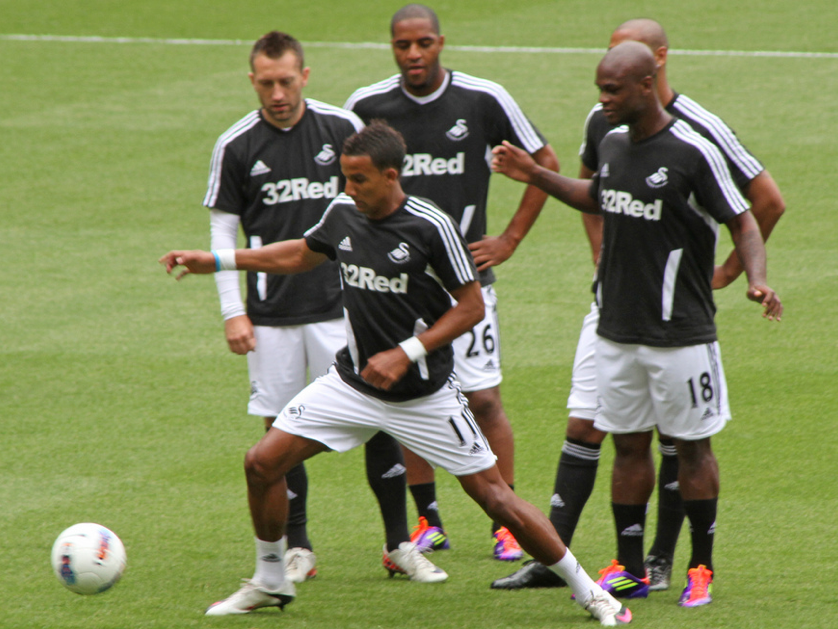
Financial mismanagement means that resolving the game’s governance is a matter for government. Since the formation of the Premier League, 92 clubs have been declared insolvent and for every Leeds, Portsmouth and Darlington – to name just three – there is another club teetering on the brink of administration. Supporters have now proven that they can run their own clubs successfully, with trust-run AFC Wimbledon, Exeter City and Portsmouth proving they are safer in the hands of the fans than shady suited ‘saviours’. Supporters’ trusts up and down the country play a crucial part in the longevity of their clubs. No more than at Swansea, where the supporters’ decisive action saved the club from oblivion more than a decade ago, and the supporters’ 20 per cent stake offers a stark contrast with the other Premier League boardrooms.
The vested interests will seek to cast aspersions about the suitability of supporters sitting on boards and, within hours of Clive Efford’s announcement, Simon Jordan was criticising the proposals on BBC Radio 5 Live. The irony that the supporters had helped revive Palace after the club collapsed at the end of Jordan’s time in charge appeared lost on him. The reaction of the Premier League to these plans will tell us a lot about modern football, which has become divorced from the reality of working-class Britain over the last decade, but there is also a political opportunity for Labour here. If they seek to obstruct significant change, Labour can point to a select committee report from 2011 now gathering dust that proposed a new licensing system and offering more independence to the Football Association and the fact that the coalition government has completely ignored its own pledge ‘to support the cooperative ownership of football clubs by their supporters’.
Miliband’s leadership has been at its best when proposing bold solutions to markets that have failed to offer people a fair deal. These proposals give football’s fans, so often referred to as the lifeblood of the game, an opportunity to shape both a fairer and more sustainable future for the clubs they love and the game as a whole.
———————————
Daniel Crawford is a Labour councillor in the London borough of Ealing
———————————
This is a good start.
I make no pretence to following football for its own sake.
But I do believe in local patriotism.
The grounds of football and other major sports clubs should be as they are in Italy, owned and run by their respective local councils. Both parties ought to be in no doubt as to who was in charge.
While the clubs themselves should be as they are in Spain, proper clubs with the fans as their members who elect the board, and who can decline to re-elect it.