
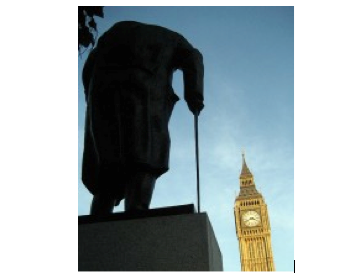
It is curious to find oneself in the position of writing about a seminal Tory-Liberal politician for Labour members and supporters. However such uncertain political times, as well as the golden anniversary of Churchill’s death and the 70th anniversary of the end of the second world war next year, will find progressives fighting the most important election in recent history. One which could determine our country’s international destiny, possibly diminishing Britain’s voice in world affairs and adding plenty of additional bureaucracy and regulations imposed on British citizens’ lives, which we would be powerless to alter.
Just as Ed Miliband invoked Benjamin Disraeli for his bold theme of One Nation, the time has come for progressives to invoke the spirit of Sir Winston Churchill to marshal the British public to support a stronger Britain in a 21st century Europe.
The campaign group, British Influence, has continued to make an excellent, factual case for the Britain’s continued member membership of the EU. However, such contemporary truths will also require the reclaiming of Churchill’s unifying legacy of British hope and aspiration, from the cynical prejudices of Nigel Farage’s ‘people’s army’.
Churchill’s support for a European Union, with Britain playing a full and active role in its development, is more than enough for internationalist progressives to reclaim him from the Kippers. Churchill himself can be described as the godfather of the European Convention of Human Rights, drafted by the Council of Europe that he had called for since 1943. A convention that has allowed the UK to trigger access to life-saving drugs for the NHS and held hospitals to account over failings within mental health care. Not to mention the reality of 2.2 million British expats living and working across the EU, thanks to the single market, the down to earth consolidation of Churchill’s vision. British workers having the ability to work and set up businesses and create wealth and opportunity, while also being in receipt of considerable consumer and employment protection are the ones living out Churchill’s dream.
Churchill’s record as a war leader working with seminal Labour figures of his day makes one recognise Churchill as invoking the spirit of national interest in times of crisis. By enlisting Clement Attlee as deputy prime minister to oversee the domestic front of the war and Ernest Bevin as minister of labour to marshal young recruits for the Bevin Boys coal conscriptions service, Churchill established himself as a great crisis manager. We must now unite prevent the crisis of a possible ‘Brexit’ damage our children and grandchildren’s aspirations and opportunities.
Such international vision and progressive partnership qualities are ones which Ukip could not hope to emulate. Farage’s new partners in the European parliament whose indulgence of their anti-semitic tendencies and contempt for basic living standards are a far cry from the spirit of bold cooperation and post-war plans to liberty and prosperity as epitomised and envisioned in the wartime coalition and the reality of European prosperity.
Churchill’s courage to work alongside leading progressives is an example of the classic British spirit of ambition and success. Such a spirit won the war and set forth a dynamic vision for Europe; even going as far to form part of our seminal 1997 election victory.
Just as Churchill joined with the progressives of his time to fight the evils of international discord of the 20th century, setting forth a leading vision for an outward looking Britain within a strong Europe, let us join with his spirit and stop Ukip from infecting our body politics and sour British influence abroad. We will fight them in the constituencies, we will fight them on the television and the Twittersphere, we will fight them in Brussels and Strasbourg. We must never surrender!
———————————
James Gill is a member of Progress. He tweets @JamesGill13
———————————
Well done the British Influence campaign group – never in the history of human (?) ‘conflict’ was so much done for the cause of so many by so few.
Ted Heath knew Churchill well (they worked together a lot in the 50s). Heath was in no doubt that by the time of Churchill’s death (as opposed to during the post War situation), that Churchill was not simply deeply in favour of the Common Market (he had helped set it up, and wanted to merge the UK with France during the War etc.), he was clearly in favour of British membership of it.