
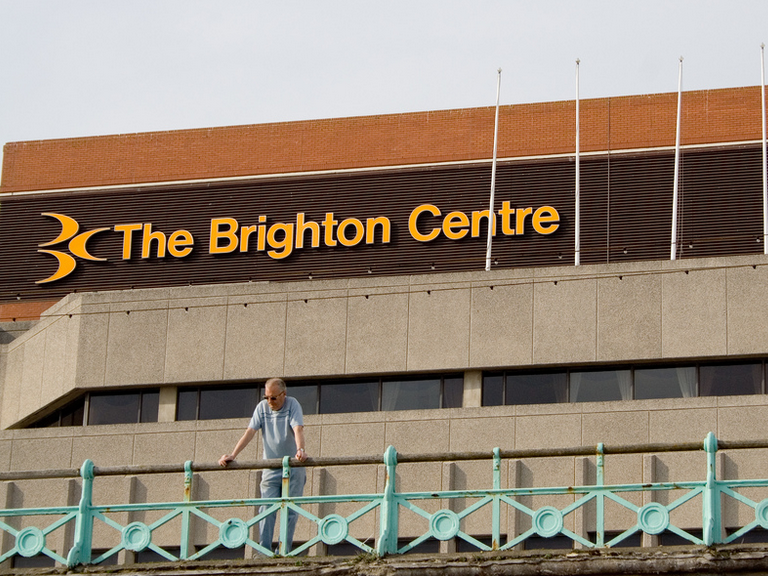
Good news – the delegates to Labour party conference still understand the power of unity. In turning down the wish of some for a rushed debate on Trident, they have decided in favour of measured policy consideration rather than grandstanding.
Perhaps they actually took Jeremy Corbyn’s call for a more inclusive new politics at face value.
Unlike many of my colleagues and friends, I cannot make a claim to having been attending Labour party conference since I was a child – that is because I used to have a real job as a teacher and just could not have taken the time off to go to whichever seaside town was hosting the annual political jamboree. A cheap jibe? Yes, a bit, but the serious point is that most Labour party members, including some of our most active and dedicated, are not in Brighton this week. And most members of the public will view the goings-on with a certain bemusement – if they notice them at all.
I have, however, experienced the small amount of policymaking that takes place at conference through the contemporary resolution process. I arrived at a compositing meeting clutching my constituency Labour party’s motion in a sweaty determined hand and emerged delighted that I had managed to get a whole sentence from my original motion inserted into the final motion. After a scant hour’s debate, the motion was passed on the conference floor. There had been little real debate, no wider engagement with anyone outside the conference hall who might have been knowledgeable about or concerned with the issue, and the vote made zero impact.
I have also attended the National Policy Forum where there is some real debate informed by discussions back in CLPs and even an attempt from some active CLPs and NPF members to engage more widely. Of course, there are also stitch-ups in corners and an effective trade union veto or trump card due to their numbers on the forum so I am open to reform. But let’s not get carried away with the idea that policy positions determined by a party conference on the basis of emergency resolutions are more democratic or representative of the party, let alone the British public.
For this reason, I really welcome the idea that the party will be reaching out more widely than before – the constitutional forums that Jon Trickett is set to lead could be a real opportunity. Party members, new and old, will have important things to say, but so do the British people who we need to vote for us. For that reason, I think I might have started with what people feel about their work and standard of living prospects, but reaching out on any policy area is a good thing. However, that has got to be a real exercise and what people say to us has got to be reflected in the final positions taken.
And one of the most fundamental roles of government is to secure our people and our place in the world. To take a new position on Trident (whatever it is) based on an unprepared and narrow debate held for political reasons, not because there is an urgent need to come to a position, would have rendered the calls for ‘a new politics’ as empty rhetoric. If we are serious about a new approach to policymaking, we must not let internal party appetites for political score-settling trump a real chance to widen our policymaking including by involving the people who will ultimately decide if we win again or not.
———————————
Jacqui Smith is a former home secretary, writes the Monday Politics column for Progress, and tweets @Jacqui_Smith1
———————————