
It is time to enact Section One of the Equality Act, writes Harriet Harman
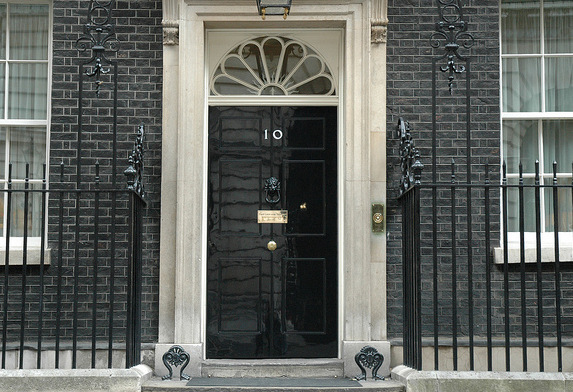
Theresa May made a big pitch on equality on the steps of Downing Street. No one should hold out any hope that she will narrow the gap between rich and poor, or tackle white working-class deprivation. If she wanted to do that she would not be in the Tory party and she would not have voted to back the cuts to Labour’s tax credits which top up the pay of workers on low and middle incomes. And as we know that the early years are crucial for future life chances, she would not be pressing on with cutting back and closing the Sure Start centres Labour opened in every community. If May really was going to tackle inequality rooted in class background, she would be implementing Section One of the Equality Act 2010.
Our Equality Act was wide ranging and radical, including putting positive duties on all public bodies to promote equality and tackle discrimination against women, disabled people, on grounds of race, age and sexual orientation. But it did more than that. It aimed, for the first time, to make all public bodies, including all government departments, councils, health authorities, schools and quangos, take positive steps to narrow the gap between rich and poor and to analyse all their actions to harness them to this end. This is Section One of the Equality Act, described by the Guardian’s Polly Toynbee as, ‘Socialism in one clause’.
To lay the basis for this clause, I commissioned John Hills of the London School of Economics to establish a National Equality Panel and report to government. He charted that, while Labour coming into government in 1997 stopped the widening of the gap between rich and poor which we inherited from the Tories, it was not narrowing it. We wanted to harness every aspect of public policy in the objective of narrowing the gap, bringing about socioeconomic equality as well as equality on gender, race, disability age on sexual orientation. The wider the rungs on the ladder, the harder it is to climb. Inequality blocks social mobility.
The equality bill was the last Labour government bill to get through the House Commons and the House of Lords before the general election. So while we got it into law, we did not have time to bring it into effect, to ‘commence’ it. Most of the measures in it have now been brought into effect, though the equal pay transparency measures, forcing employers to publish their pay gap, were delayed by years and are only coming into effect now – six years after the act became law.
But the Tories have not, of course, implemented Section One and have always said they won’t. So it is on the statute book but not brought into effect. When the equality bill came before parliament in 2010, May, then the women and equalities lead, opposed it at second reading. But now she has made her pitch on equality we should keep her to her word and insist that she implement Section One. Bringing about equality is not just crying crocodile tears on the steps of Downing Street. It is about taking action. We can now table amendments to government bills which would bring Section One into effect. Let’s see the nature of our new prime minister’s commitment to equality. We should get the backing of the select committee on women and equalities. And there are some new Tory backbenchers who profess to want greater equality as well as the Scottish National party members of parliament. We can have a big campaign from party members, the unions and the voluntary sector to press the government to implement Section One.
In the meantime there is nothing to stop all Labour councils and our Labour mayors committing, on a voluntary basis, to abide by Section One. London, Manchester, Bristol and councils all around the country are being hit by cuts, but that makes Section One even more important. And we should be putting through the Scottish parliament a law that Scottish institutions implement a Section One duty. Holyrood could do that, and it would be interesting to see if Nicola Sturgeon would oppose it.
And as part of a Section One campaign, we should be demanding that the government reinstate the cuts that it has inflicted on the Equality and Human Rights Commission. It has a new chair but its budget and staffing is a fraction of what we built it up to when we were in government and it needs resources to carry out its crucial role of monitoring the equality duties. And the Equality Act makes it the ‘enforcer’ for Section One.
Let no one say that Labour in government, which introduced the minimum wage and trebled the budget for the NHS, was no different from the Tories. If we had won the election in 2010 or 2015 we would have had Section One in effect now. And we would be tackling the disaffection and alienation which lay behind so much of the concerns of Labour voters who voted for Brexit.
Harriet Harman MP is former deputy leader of the Labour party and former minister for women and equalities
The Tory-lites would have stuck to Tory spending plans for the first two years. Then they would have attacked the unemployed just like the proper Tories.